When Someone You Loved From a Distance Turns Out to Be a Stranger
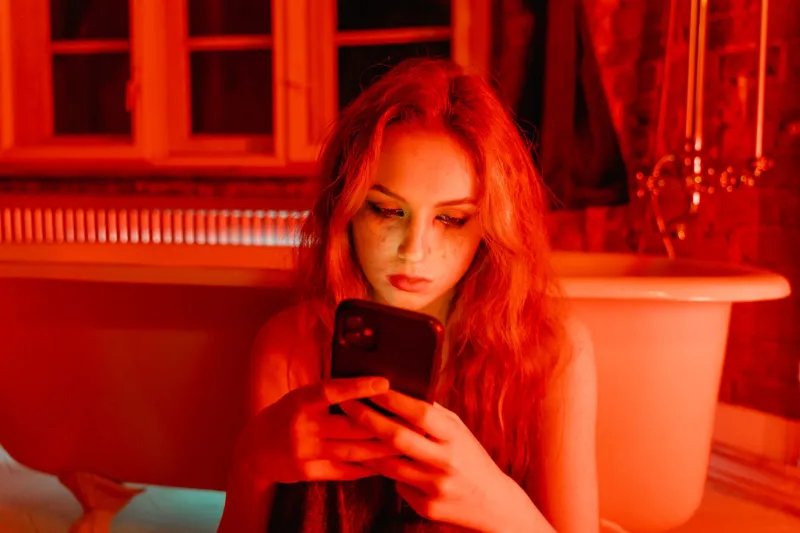
There's a specific kind of silence that settles in after you read the thread. You know the one. Screenshots, receipts, a statement from a publicist that somehow makes things worse. You put your phone down. You pick it back up. You read it again, like the second time might rearrange the words into something more forgiving.
This is the part nobody really talks about — not the cancellation itself, not the debate that erupts on Twitter within minutes, but the quiet, disorienting grief that follows for the people who genuinely cared. The ones who had their poster, their vinyl, their limited-edition merch sitting on a shelf. The ones who quoted this person's interviews in their Notes app and felt, somehow, understood.
That feeling doesn't just disappear because the internet decided someone was done.
The Relationship That Was Never Supposed to Be One
Parasocial relationships — the one-sided emotional bonds we form with public figures — aren't a new phenomenon. Psychologists coined the term back in the 1950s to describe how television audiences developed feelings of familiarity toward TV personalities. But social media turbocharged the whole dynamic in ways those researchers couldn't have anticipated.
When a celebrity isn't just a face on a screen but someone who posts their morning coffee, shares their therapy breakthroughs, and responds to fan comments at 11 p.m., the emotional proximity feels real. And in some ways, it is real — at least on one side. You've spent hours with their voice in your ears. You've watched them cry, celebrate, and fumble through awkward interviews. The feelings you developed aren't imaginary. They're just unreciprocated.
So when something shatters the version of that person you built in your head, the loss is genuine, even if the relationship technically wasn't.
Why the Betrayal Hits Different
Here's the uncomfortable truth: the closer you felt, the worse it lands.
Some fans follow celebrities casually — an actor they enjoy, a musician they stream occasionally. For them, a cancellation might register as disappointment, maybe a quick unfollow, and then life moves on. But for the people who were deeply invested? It's not just about the person. It's about everything they represented.
Maybe you discovered this artist during a rough stretch in your life and their music carried you through it. Maybe this comedian made you feel seen in a way that felt rare. Maybe you held up this person as proof that someone could be funny and kind, talented and decent, all at once. The cancellation doesn't just take away the celebrity — it retroactively complicates every memory you attached to them.
Psychologists sometimes describe this as a form of ambiguous loss. The person still exists, their work still exists, but the meaning you assigned to all of it has been destabilized. You're not mourning a death. You're mourning a version of someone that may never have existed in the first place.
The Loyalty Trap
Social media doesn't make any of this easier. The moment a cancellation breaks, everyone around you seems to have an opinion about what you're supposed to feel. Some people perform outrage immediately, almost competitively. Others rush to defend, sometimes well past the point where defense is reasonable. And somewhere in the middle are the people who genuinely don't know what to do with their feelings — and feel quietly ashamed of that uncertainty.
There's real social pressure baked into these moments. To cancel quickly is to signal your values. To hesitate is to risk being lumped in with the defenders. But grief doesn't run on a news cycle, and emotional processing isn't a moral failing.
The loyalty trap is this: you feel guilty for still liking the work, guilty for grieving at all, and guilty for not grieving loudly enough. None of those guilt trips are particularly fair or useful, but they're almost impossible to avoid when everything plays out publicly in real time.
What You Do With the Catalog
This is where it gets genuinely complicated, and honestly, there's no clean answer.
Do you still listen to the album that got you through your parents' divorce? Do you rewatch the show that made you want to become a writer? There's an ongoing cultural conversation about separating art from artist — one that tends to generate more heat than resolution. The answer probably isn't universal. It likely depends on the severity of what was revealed, whether real people were harmed, and what your own boundaries look like.
What's worth resisting is the idea that you have to perform certainty about it. Some people will delete the playlist immediately and feel clean. Some people will keep the album in a folder they never open. Some people will sit with genuine ambivalence for years and never fully resolve it. All of those responses are human.
What tends to help, according to therapists who work with fans navigating this kind of loss, is allowing yourself to acknowledge that the grief is real without letting it define your identity. You're not a bad person for having loved someone's work before you knew the full picture. You're also not obligated to keep loving it once you do.
The Bigger Thing It Reveals
Maybe the most useful thing a celebrity cancellation can do — if it can do anything useful at all — is show you something about yourself.
Who did this person represent to you? What need were they filling? That's not a criticism. It's worth knowing. If an artist made you feel less alone, that loneliness is still real and still worth tending to, regardless of what happened to them. If a public figure validated something about your identity, that part of your identity hasn't been cancelled along with them.
Parasocial grief, at its core, is often grief about something in yourself that got tangled up with someone else's image. Untangling it is uncomfortable work, but it's yours to do — and it doesn't require anyone else's permission or timeline.
You're Allowed to Not Be Over It Yet
The internet moves on fast. Within a week, there's a new controversy, a new person trending, a new thing to be outraged or entertained by. The cultural machinery doesn't pause to let you process.
But you can. You're allowed to sit with the discomfort of caring about someone who turned out to be complicated, disappointing, or genuinely harmful. You're allowed to feel the loss without rushing to resolve it into a clean narrative. You're allowed to be sad and confused and still figuring it out.
You never met them. That's still true. But what you felt was real, and real things take real time.
Give yourself that, even when the feed has already moved on.