When the Person You Rooted For Turns Out to Be Someone Else Entirely

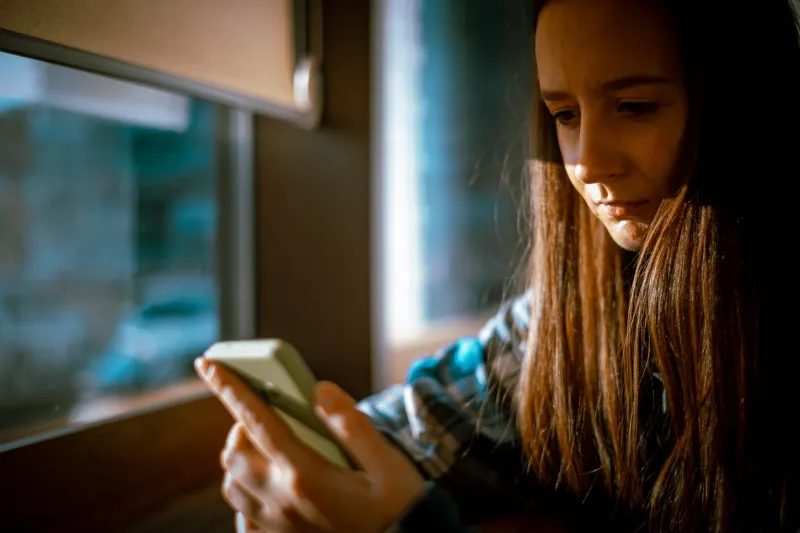
You know the feeling. You're scrolling through your phone on a Tuesday morning, half-awake, and then something stops you cold. A headline. A thread. A video that's already at two million views. And within about thirty seconds, someone you've genuinely admired — maybe for years — starts to look completely different.
It doesn't matter whether it's a musician whose lyrics got you through a hard time, a YouTuber who made you laugh every week, or an actor whose interviews always seemed so warm and grounded. The information lands the same way. Like something small but load-bearing just gave out.
This is the parasocial breakup. And it's one of the stranger emotional experiences that contemporary life has handed us.
You Didn't Imagine It — The Connection Was Real
Before we get into the fallout, it's worth defending the attachment itself. There's still a tendency — especially among people who don't spend much time online — to dismiss fan investment as naive or embarrassing. "You don't even know them," goes the argument. As if that settles it.
But parasocial relationships, the one-sided bonds we form with public figures through repeated, intimate-feeling exposure, are psychologically legitimate. Research in social psychology has consistently shown that our brains don't always distinguish cleanly between people we've met and people we've simply spent a lot of time with. If you've watched hundreds of hours of someone talking directly into a camera, heard them discuss their childhood, their anxieties, their favorite movies — your nervous system has filed them somewhere close.
That's not a flaw. That's just how humans are built.
So when something shatters that image, the grief response is real. The betrayal response is real. What gets complicated is figuring out what to do with it.
The Stages Nobody Prepared You For
Most people who've lived through a celebrity disillusionment describe something that rhymes with the classic stages of grief, but with its own particular texture.
First comes denial — or more precisely, the frantic search for context. Is this taken out of way? Is there more to the story? Who's the source? There's nothing wrong with this impulse; healthy skepticism is genuinely valuable. But there's a version of it that curdles into motivated reasoning, where we go looking for exoneration because we need it to exist.
Then comes the anger, which tends to split in two directions simultaneously: at the celebrity, for doing the thing, and at yourself, for caring so much. That second layer of anger is particularly brutal. It can make people shut down their emotional response entirely rather than sit with the discomfort.
And then there's the grief itself — quieter, more private. The loss of a comfort that you maybe didn't fully realize you'd been leaning on.
"I used to put on her podcast every time I drove anywhere," one fan told a mutual friend of mine after a beloved wellness creator faced serious misconduct allegations last year. "Now I can't even hear the intro music without feeling sick. That commute time just feels empty now."
That's not melodrama. That's a real gap in someone's daily life.
The 'Cancel or Defend' Trap
Here's where things get culturally thorny. The internet, bless its heart, tends to present exactly two options when a public figure does something wrong: full cancellation or full defense. Pick a lane. Make your stance clear. Post accordingly.
This binary is exhausting and, more importantly, it's not honest about how most people actually feel.
The truth is that most of us exist in a much murkier middle ground. We can believe the allegations are credible and feel sad about what we're losing. We can think someone's behavior was genuinely harmful and not feel ready to scrub their work from our memory. We can hold disappointment and complexity in the same hand.
None of that is hypocrisy. It's just being human about something that human beings haven't really had to navigate at scale before.
What does carry some weight, though, is the question of continued engagement — specifically, continued financial engagement. Streaming their music, watching their monetized videos, buying their products: these are choices that have some downstream effect, however small. That's worth thinking about honestly, even if the answer isn't always clean.
Separating Art From Artist (And the Limits of That Move)
The old "separate the art from the artist" framework gets a workout in these moments, and it's genuinely useful — up to a point.
There's a reasonable case that a piece of music, a film, a book, has a life independent of its creator. The meaning you made from it was real. The comfort it gave you was real. Those experiences don't retroactively disappear.
But the framework starts to strain when the harm the artist caused is directly embedded in the work — when the dynamic they exploited is the same one that made the art feel so intimate. When the thing that made you trust them is exactly what they weaponized. In those cases, separation becomes a lot harder to sustain without feeling like you're performing a kind of willful blindness.
There's no universal answer here. Different situations call for different calibrations, and honestly, you're allowed to land somewhere different than your friends do.
What You Owe Yourself in the Aftermath
The part of this conversation that gets the least attention is what comes after the initial shock — the quieter work of figuring out how to move forward.
Some people find that stepping back from a creator's content entirely gives them a clean kind of relief. Others find they can still engage with older work while keeping a deliberate emotional distance. Some redirect the energy they'd invested toward discovering someone new. None of these is the objectively correct response.
What does seem to help, consistently, is resisting the urge to either perform detachment or to over-explain your grief. You don't have to post a statement. You don't have to prove to anyone that you're sufficiently outraged. You're allowed to process this in whatever low-key, private way actually works for you.
You're also allowed to be a little more careful going forward — not in a cynical, closed-off way, but in the way that any experience teaches you something. Parasocial relationships are part of modern life, and they're not going anywhere. Learning to hold them a little more lightly, to invest without fully outsourcing your sense of comfort or identity to someone you've never met, is genuinely useful.
A Grief That Deserves to Be Named
We don't have great language for this yet. "Parasocial breakup" is a start, but it still sounds a little clinical, a little detached from how genuinely disorienting the experience can be.
What we're really talking about is a specific kind of modern loss: the loss of a version of someone that felt real, that served a real function in your life, and that turned out to be — at least partly — a construction. Sometimes built deliberately. Sometimes just built from the gap between who someone actually is and who it's comfortable for them to appear to be.
That loss is worth taking seriously. Not wallowing in, not performing — but actually sitting with, the way you'd sit with any other disappointment that caught you off guard.
Because the fact that you cared in the first place? That's not something to be ashamed of. That's just what it looks like to be someone who's still capable of being moved by other people.
Even the ones who turn out to be complicated. Which, in the end, is most of them.