You Already Know It's Bad. So Why Are You Still Watching?
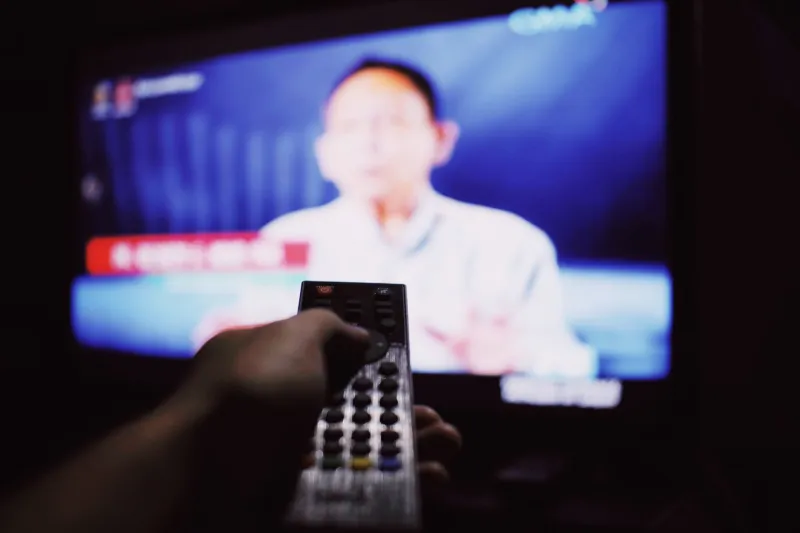
Somewhere around the second act of a film you've already mentally checked out of, something weird happens. You glance at the runtime. You see you're forty-three minutes in. You do the math. And instead of closing the tab or putting the remote down, you think: I've already come this far.
And just like that, you're locked in for another hour and fifteen minutes of something you're actively not enjoying.
Welcome to the sunk cost trap — one of the sneakiest psychological quirks in modern entertainment, and honestly, one of the most relatable things about being a person who consumes a lot of media.
Your Brain Is Doing Math It Was Never Supposed to Do
The sunk cost fallacy, if you want to get technical about it, is when you keep investing in something — time, money, energy — not because it's worth it going forward, but because of what you've already put in. Economists talk about it in terms of bad business decisions. Therapists bring it up in conversations about staying in the wrong relationship. But it shows up just as reliably on a Saturday night when you're forty minutes deep into a Netflix original that peaked at a Rotten Tomatoes score of 38%.
The logic your brain runs sounds something like: If I stop now, those forty minutes were wasted. But if I finish it, at least I'll have seen the whole thing. Which, when you write it out like that, makes absolutely no sense. The forty minutes are gone either way. Watching another ninety of them doesn't recover them. It just adds ninety more minutes to the pile.
But logic isn't really the point here. The point is that our brains are wired to want completion, to feel like things were worth it, and to avoid the uncomfortable feeling of having invested in something that turned out to be a dud.
The Completion Instinct Is Real — And the Streaming Era Made It Worse
There's a reason you feel more compelled to finish a movie you paid $6.99 to rent than one that's just sitting on a platform you already subscribe to. Literal dollars make the sunk cost feeling more acute. But even without a direct transaction, streaming has introduced its own version of the trap.
Platforms are designed around watch histories, progress bars, and the quiet social pressure of being able to say you've seen something. There's cultural currency in completion now. When a movie drops and everyone's talking about it, finishing it — even a bad one — gives you a ticket into the conversation. Stopping halfway through leaves you in a weird limbo where you can't really weigh in, and you're also not free of the thing.
And then there's the way we've been trained by good storytelling. We've watched enough movies and shows with slow burns and surprising third acts that some part of us is always holding out hope. What if it gets better? Sometimes it does. Mostly it doesn't. But the possibility is enough to keep us there.
The Difference Between Commitment and Obligation
There's a version of finishing something that's actually healthy — sticking with a challenging film because it's asking something of you, sitting through discomfort because the discomfort is intentional and meaningful. Plenty of genuinely great cinema isn't immediately comfortable. That's different.
The sunk cost trap isn't about patience or dedication. It's about staying in something past the point where your gut already knows the answer, because leaving feels like losing. That's obligation, not commitment. And obligation is a pretty grim way to spend your leisure time.
The real question to ask yourself somewhere around that forty-minute mark isn't how much have I already watched? It's is there any version of this that makes the next hour worth it? If the honest answer is no — if the writing hasn't clicked, if you don't care about a single character, if you've checked your phone three times in the last ten minutes — that's your cue.
Practical Ways to Actually Let Yourself Quit
Knowing the psychology doesn't automatically make it easier to act on. Here are a few mental reframes that actually help:
Redefine what "wasted" means. The time you spent watching the first forty minutes taught you something: this movie isn't for you. That's useful information. You're not leaving empty-handed — you're leaving with a decision made.
Give yourself a checkpoint, not a commitment. Instead of deciding at minute one whether you'll finish something, tell yourself you'll check in at the twenty-minute mark. If you're not engaged, you have explicit permission to stop. This takes the pressure off the beginning and gives you a natural exit point.
Stop treating your watch history like a report card. Nobody is grading your viewing choices. The fact that you started something and didn't finish it doesn't say anything about you as a person, a film fan, or someone with taste. It just means the movie didn't land. That happens constantly, to everyone.
Replace the guilt with curiosity. When you do quit something, spend thirty seconds thinking about why it wasn't working — the pacing, the premise, the performances. Turning it into a small act of critical thinking makes the exit feel active rather than like a failure.
The Bigger Picture: Your Time Is the Resource
Streaming has made content feel almost weightless — like there's no real cost to starting something, so there's no real cost to staying in it either. But your attention and your time are still finite, even when the content library isn't. Every ninety minutes you spend grudgingly finishing something mediocre is ninety minutes you didn't spend on something you'd actually remember.
There's a certain kind of person who wears "I always finish what I start" like a badge of honor. And in some areas of life, that persistence is genuinely valuable. But movies aren't a test of your character. They're supposed to be something you enjoy — or at the very least, something that gives you something worth thinking about afterward.
The sunk cost trap convinces you that leaving is the failure. But really, the failure is staying somewhere that stopped serving you a long time ago and calling it discipline.
Your remote control has a back button for a reason. Use it without guilt.