The Perfect Influencer Doesn't Exist — Except When It Does
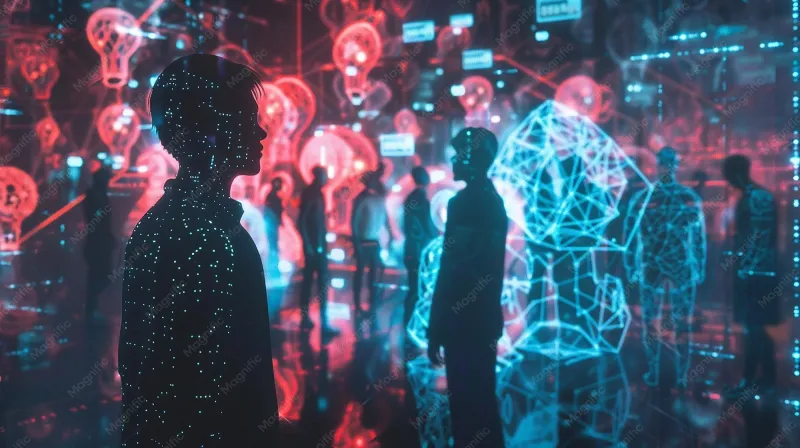
Photo: futuristic digital avatar influencer social media glowing screen, via img.freepik.com
Lil Miquela has 2.6 million Instagram followers. She posts selfies, drops music, wears designer clothes, and shares opinions on social justice. She also does not exist. She is a computer-generated character, created by a Los Angeles tech startup, and she has been doing this since 2016 — long enough that some of her followers have grown up alongside her without ever fully processing that she is not a person.
She's not alone anymore. The landscape of AI-generated influencers, virtual brand ambassadors, and algorithmically perfected digital personalities has expanded dramatically in the last few years. And the audiences following them aren't just passive consumers. They're fans. They're emotionally invested. Some of them will tell you, without embarrassment, that following a virtual influencer feels less exhausting than following real ones.
That last part deserves a longer look.
Why Real Influencers Keep Letting Us Down
To understand the appeal of AI influencers, you have to understand the particular kind of fatigue that comes from following human ones at scale.
The parasocial relationship — that one-sided emotional bond you form with a creator or celebrity who doesn't know you exist — has always been a feature of fan culture. It's not inherently unhealthy. Feeling connected to a musician or a YouTuber can be genuinely meaningful. But real people are complicated. They have bad days. They make bad decisions. They post things at 2 a.m. that they shouldn't. They get into feuds, go through public breakups, change their values, or simply stop being the version of themselves that you fell for.
The cancel cycle alone has made following human influencers feel like a liability. You invest emotionally in someone, they build a corner of your daily life, and then one day there's a thread going viral and suddenly you're doing moral math about whether you can still watch their content. It's exhausting in a way that's hard to articulate but very easy to feel.
An AI influencer sidesteps all of that. There's no 2 a.m. post. There's no old interview that resurfaces. There's no evolution of values that leaves longtime fans feeling stranded. The content stays on-brand, permanently.
The Comfort of Consistency
Here's the thing about perfection: it's not actually what makes AI influencers appealing. Consistency is. There's a meaningful difference.
Perfect is unrelatable. Perfect is alienating. But consistent — showing up the same way, every time, with the same energy and the same aesthetic and the same general vibe — that's something people actively crave from their media diet right now. In a news cycle that feels like a fire drill every 48 hours, a virtual influencer who never deviates from their lane is genuinely soothing.
Virtual personalities like Imma (a Japanese CGI model with over 400,000 Instagram followers) or Noonoouri (a wide-eyed digital avatar who has collaborated with actual luxury fashion houses) offer something that human influencers structurally cannot: a guarantee. You know what you're getting. The brand is the person. There's no gap between public persona and private reality, because there is no private reality.
For audiences worn down by the performance of authenticity — the "real talk" videos, the crying-in-the-car confessionals, the carefully staged "no makeup" looks — the honest artificiality of a CGI influencer can feel almost refreshing. At least this one isn't pretending.
What We're Actually Attaching To
Psychologists who study parasocial relationships will tell you that the bond isn't really about the celebrity or creator on the other end. It's about what they represent to you — the values they seem to hold, the lifestyle they project, the emotional tone they set in your day. In that sense, attaching to an AI influencer isn't categorically different from attaching to a human one. You're not connecting to a person in either case. You're connecting to a constructed image.
But the AI version makes that construction explicit in a way that raises interesting questions about what we're actually chasing. When you follow Lil Miquela, you're following a character — and you know it, or you can know it if you look. When you follow a human influencer, you're also following a character, but the fiction is that the character is real. Which relationship is actually more honest?
This is where the cultural conversation tends to get uncomfortable, because the honest answer might be that AI influencers are just a more transparent version of what influencer culture has always been.
The Burnout Connection
There's a broader context worth naming here. The rise of AI influencer fandom isn't happening in a vacuum. It's happening alongside widespread cultural burnout — burnout from the news, from social media, from the relentless performance of self that modern life seems to require. People are tired. And tired people are drawn to low-stakes emotional investments.
Following an AI influencer is genuinely low stakes. They can't disappoint you in the ways that matter. They won't betray a cause you care about, or reveal that the wholesome image was covering something darker, or simply change into someone you don't recognize. The emotional ceiling is lower, sure. But so is the emotional floor.
For a generation that grew up watching their parasocial heroes get destroyed in real time on Twitter, that floor might be exactly what they're looking for.
The Part That Should Give Us Pause
None of this means AI influencers are harmless. There are real concerns about transparency — many virtual influencers are not clearly labeled as non-human, and the audiences most likely to form deep attachments are often younger and more vulnerable. There are questions about who profits from these characters, and whether the emotional labor of fandom is being extracted in exchange for a relationship that literally cannot be reciprocated.
And there's the larger cultural question: if the most satisfying parasocial relationship you have is with something that cannot feel anything back, what does that say about what we've come to expect from real connection? Are AI influencers filling a gap, or are they quietly teaching us to prefer the gap?
Probably both. Most cultural phenomena that stick around do both at once.
What's clear is that the virtual influencer isn't a passing novelty. It's a mirror. And what it's reflecting back — our exhaustion with imperfection, our appetite for consistency, our complicated relationship with authenticity — is worth sitting with, even if the mirror itself will never blink.