We Stopped Escaping and Started Confronting: The New Emotional Rules of Entertainment
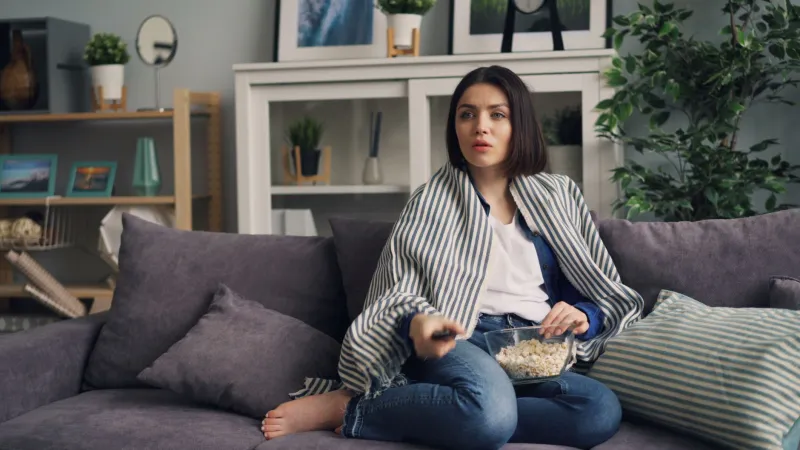
There was a time — not that long ago — when the whole point of turning on the TV was to turn off your brain. You'd sink into the couch after a long week and let something easy wash over you. A procedural. A sitcom. A competition show where the biggest stakes were who got eliminated from a kitchen. Entertainment was a vacation from yourself.
That era feels genuinely distant now.
Something has quietly but unmistakably shifted in what audiences are gravitating toward — and more interestingly, why. The shows, films, podcasts, and albums that are generating the most cultural conversation aren't the ones offering escape. They're the ones that make you sit with something uncomfortable long after the credits roll.
The Pivot Nobody Officially Announced
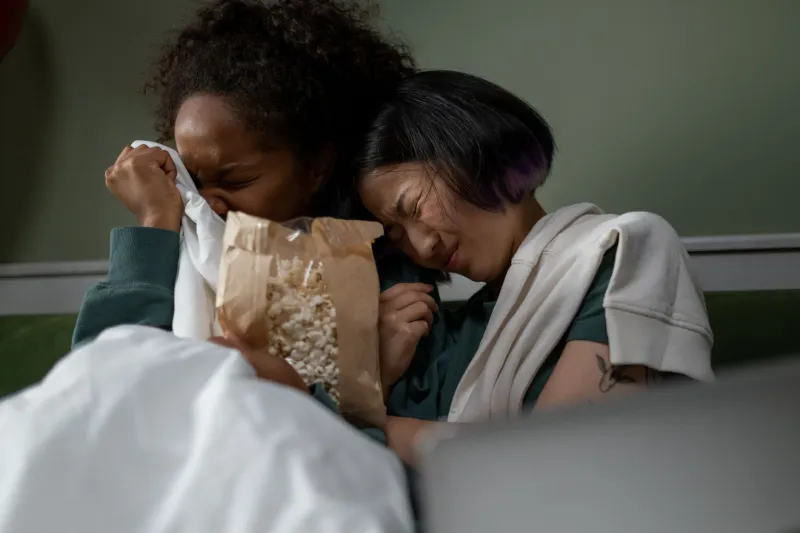
If you look at the titles dominating cultural discourse over the last few years — The Bear, Succession, I May Destroy You, Beef, White Lotus — there's a pattern that has nothing to do with genre. These aren't easy watches. They're emotionally demanding in ways that feel almost confrontational. Characters are flawed in ways that implicate the audience. Situations unfold in ways that don't resolve cleanly. You finish an episode and feel something, but it's not relaxed.
And yet people can't stop talking about them.
Meanwhile, the shows that were designed purely for comfort — frictionless, pleasant, engineered to soothe — are still getting watched, sure. But they're not the ones sparking group chats at midnight or becoming shorthand in everyday conversation. The cultural energy has migrated toward the difficult stuff.
This isn't accidental. Audiences are choosing this.
Emotional Labor as Entertainment
There's a phrase that used to live mostly in academic and workplace contexts: emotional labor. The work of processing, managing, and sitting with feelings — especially ones that aren't easy or flattering. For a long time, the implicit promise of entertainment was that it would reduce that labor. Give you a break from the heaviness of real life.
But something interesting happened: people started seeking out media that requires that labor instead.
And it's not masochism. It's more like a hunger for authenticity. When everything in the culture feels optimized and curated and performatively fine, a show that lets a character completely fall apart — or that forces you to recognize your own worst impulses in someone onscreen — feels almost like relief. Not comfortable relief. But real relief. The kind that comes from being seen rather than soothed.
The psychologist's term for this is something like cathartic processing — using narrative to approach emotions that feel too raw to confront directly. We've been doing this with tragedy since the Greeks. What's new is that it's become the dominant mode of mainstream entertainment, not just the art-house exception.
What Our Collective Mood Has to Do With It
It's hard to separate this shift from the broader emotional climate of the last several years in America. Between a pandemic, political fracture, economic anxiety, and the relentless churn of bad news, the national mood has not exactly been breezy. People are carrying a lot.
And here's the thing about carrying a lot: eventually, passive distraction stops working. You can only binge so much comfort TV before it starts feeling hollow. The numbness wears off, and what's underneath it still needs somewhere to go.
Entering: entertainment that meets you there.
When The Bear's kitchen chaos made viewers feel genuine anxiety — that rapid-fire editing, the claustrophobic pressure, the unspoken grief running underneath all of it — something clicked for audiences who recognized that feeling from their own lives. It wasn't enjoyable in any traditional sense. But it was true. And true, right now, is hitting differently than pleasant.
This is what cultural critics mean when they talk about media as a mirror. The content we collectively gravitate toward reflects something about where we actually are emotionally — not where we wish we were.
The Authenticity Economy
There's also a creator-side explanation for why this is happening. Audiences have gotten exceptionally good at detecting inauthenticity. Years of algorithmically optimized content — designed to perform well rather than mean something — have sharpened people's instincts for when they're being managed versus when they're being told the truth.
The creators who are breaking through right now tend to be the ones willing to go somewhere uncomfortable. The podcasters who talk about their actual mental health struggles, not just the highlight reel version. The filmmakers who refuse to give their characters redemption arcs they haven't earned. The musicians who make albums that document grief or rage without softening the edges for radio play.
This isn't a niche phenomenon anymore. It's the mainstream.
And audiences aren't just passively consuming this content — they're processing it together. The comment sections, the Reddit threads, the TikTok video essays breaking down a character's psychology — all of that is communal emotional labor. People are doing the work of unpacking what they watched, and that collective processing has become part of the entertainment itself.
So Where Does That Leave Pure Comfort?
None of this means comfort entertainment is dead. It's not. There will always be a place for the show that asks nothing of you — and sometimes that's exactly what you need. A rough Tuesday calls for whatever gets you through it, and nobody should feel bad about that.
But comfort entertainment has been quietly demoted. It used to be the default. Now it's one option among many, and it's no longer the one with the most cultural cachet.
What's taken its place isn't darkness for darkness's sake, either. The best of what's resonating right now isn't bleak — it's honest. There's a difference. Honest storytelling can be funny, warm, even hopeful. It just refuses to paper over the hard parts.
That refusal is what audiences are responding to. In a media landscape full of content engineered to optimize your watch time, something that seems genuinely unconcerned with making you comfortable feels almost radical.
The Mirror Doesn't Lie
Maybe the most interesting thing about this shift is what it suggests about what we actually want from culture right now. Not escape. Not numbness. Not the pleasant fiction that everything is fine.
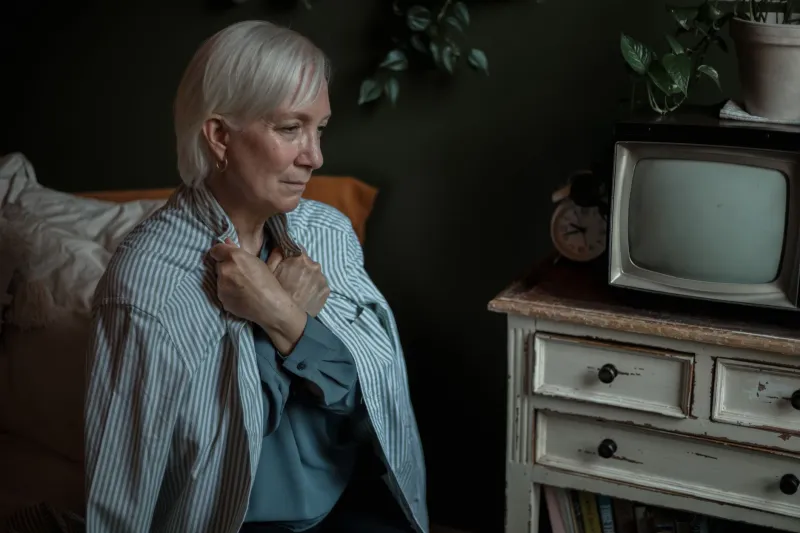
We want to feel recognized. We want to sit in a dark room — literal or metaphorical — and see something onscreen that reflects the complicated, exhausting, sometimes beautiful reality of being a person right now.
Entertainment as emotional mirror isn't a trend with an expiration date. It's a signal about where audiences have landed after years of collective upheaval. We've moved past wanting media that takes us away from ourselves.
We want media that finally tells us the truth about who we are — and trusts us to handle it.